
The Commercial Value of Frozen Mackerel: Why It Remains a Top Global Seafood Commodity
Introduction
Among pelagic fish traded internationally, few species match the enduring mackerel commercial value that has sustained this commodity through shifting trade policies, fluctuating fuel prices, and evolving consumer demand. Unlike high-value demersal species whose market fortunes rise and fall with restaurant trends, frozen mackerel occupies a structurally advantaged position in the global seafood supply chain — one built on volume accessibility, processing versatility, and consistent demand across markets at every income level.
For B2B importers, distributors, and food manufacturing buyers evaluating procurement strategy, understanding why mackerel generates reliable margins matters as much as knowing current spot prices. The species sits at an intersection of favorable biology, efficient catch economics, and product adaptability that few other seafood commodities can replicate. For context on market trends, our global mackerel market analysis provides updated trade data and supply forecasts.
Table of Contents
- Global Trade Volume: The Scale of Mackerel Commerce
- Price Stability: What Makes Mackerel a Predictable Commodity
- Processing Economics and Product Versatility
- Import Market Analysis and Buyer Profitability
- Conclusion
Global Trade Volume
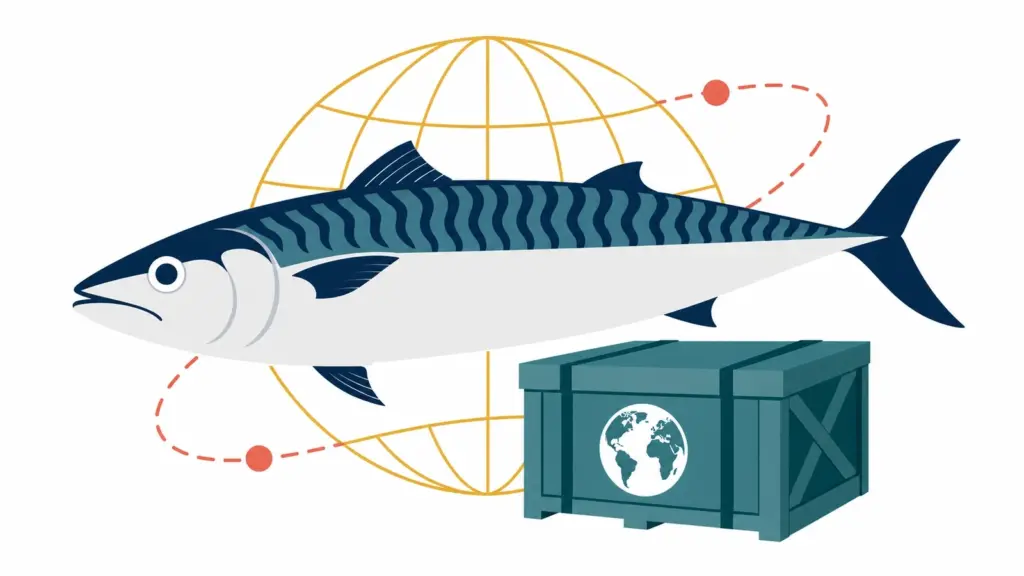
Annual global trade in frozen mackerel consistently reaches between 1.5 and 2.0 million metric tonnes, placing it among the top five most traded finfish species by volume. Mackerel fisheries benefit from biological characteristics that enhance commercial viability: fast-growing, early-maturing pelagic species with high fecundity sustain substantial annual harvests. Key producing nations — including Norway, Iceland, Japan, China, and Russia — collectively land hundreds of thousands of tonnes annually.
For importers sourcing from processors like Hanxing Seafood, this supply concentration in well-regulated fisheries means consistent year-round availability. Unlike aquaculture-dependent species vulnerable to disease events or feed price shocks, wild-capture mackerel supply follows seasonal patterns that experienced buyers can anticipate. We maintain detailed product specifications so buyers receive exactly what their markets require.
Demand spans every continent and income level: West African markets absorb massive volumes as affordable protein; Japanese and Korean buyers demand premium-grade specimens; Eastern European markets consume mackerel as a cold-smoked and canned staple; Southeast Asian processors purchase for value-added reprocessing. This diversification creates a natural hedge — when demand softens in one region, alternative markets absorb available supply.
Price Stability
Several structural factors anchor mackerel pricing. Processing and logistics costs — particularly cold storage and container freight — represent a significant proportion of landed price, creating a floor below which prices cannot sustainably fall. Mackerel’s substitutability with other small pelagics — herring, horse mackerel, sardine — creates competitive pressure preventing speculative price spikes. Forward contracting practices in major producing nations allow buyers to lock in pricing for significant portions of annual volume. For more on working with established suppliers, visit our about us page.
Analysis of frozen mackerel market price data reveals mean-reverting behavior supporting inventory investment. Seasonal patterns — typically higher prices in Q1-Q2 as Norwegian and Icelandic seasons wind down, softening in Q3-Q4 with new landings — create predictable trading opportunities. The FAO Globefish Market Reports provide regular price intelligence.
Processing Economics and Product Versatility
Mackerel reaches buyers in multiple product forms: WR dominates African and developing-market trade; H&G commands a premium in Eastern European and Middle Eastern markets; fillets serve higher-value channels. This range means a single processor can serve multiple market tiers from identical raw material. Mackerel’s relatively high edible yield — typically 55-60% for fillets — compares favorably with many whitefish species. Extended frozen shelf life of 18-24 months allows importers to build inventory during favorable pricing periods.
Import Market Analysis
West and Central Africa represents the largest volume bloc, absorbing WR frozen mackerel in 150-300g and 200-400g grades. Margins operate on thin per-kilogram spreads at high volume. Japan and South Korea represent the premium end, purchasing high-fat IQF mackerel at two to three times African market levels. Eastern Europe and CIS consume H&G mackerel for cold-smoking and canning with seasonal demand patterns. Southeast Asia functions as consumer and re-processing hub for canned goods.
Container optimization — achieving maximum payload within weight limits — directly impacts per-kilogram freight cost. Inventory timing around seasonal supply cycles generates material return differences: buyers securing volume during peak landing periods (Q3-Q4) often achieve 8-15% cost advantages. For additional questions, our FAQ page covers sourcing, logistics, and quality assurance topics.
Conclusion
Frozen mackerel commercial value rests on abundant, well-managed supply from multiple regions; demand diversified across continents and end-use applications; pricing mechanisms resisting collapse and speculation; processing characteristics enabling multi-market revenue optimization; and import market structures rewarding supply chain efficiency. As global protein demand continues its long-term growth trajectory, wild-capture pelagic species like mackerel that deliver nutrition efficiently will likely see their relative commercial importance increase. Importers who build sourcing relationships, logistics capabilities, and market knowledge now stand to benefit from this structural trend.
Contact Hanxing Seafood today at sales@hanxingseafood.com or visit www.hanxingseafood.com to explore frozen mackerel pricing and sourcing opportunities.
This market analysis is intended for professional seafood buyers and B2B trade participants. For current FOB and CIF pricing on specific frozen mackerel product forms, size grades, and origin options, please contact our commercial team directly.
Looking for a Frozen Seafood Supplier?
Contact HANXING SEAFOOD to confirm current availability, specifications, packing, and quotation details.
Request a Quote