
Global Frozen Seafood Market Trends 2026: What Importers Need to Know
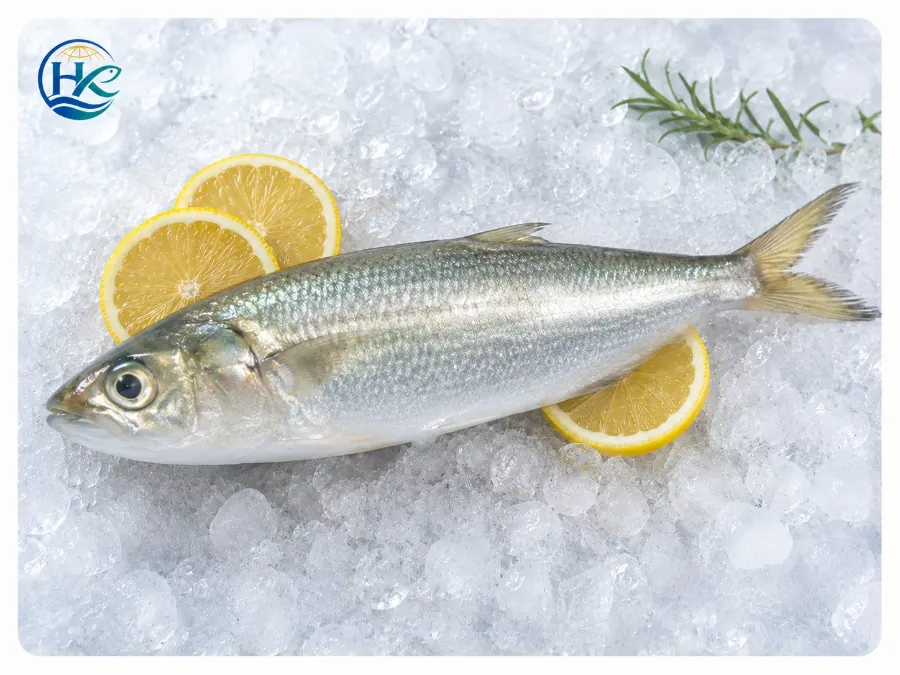
The global frozen seafood market is undergoing significant transformation in 2026. For importers, wholesalers, and distributors, understanding these shifts is essential to making informed sourcing decisions and staying competitive in an evolving landscape.
Market Overview: Steady Growth Across Key Segments
The frozen seafood sector continues to expand, driven by growing protein demand in emerging markets, improvements in cold chain infrastructure, and shifting consumer preferences toward convenient, shelf-stable seafood products. According to industry data, the global frozen seafood market is projected to reach $75 billion by 2028, with pelagic fish species —including mackerel, sardine, and tuna —accounting for a significant share of trade volume.
Key growth drivers include increasing per capita seafood consumption in African and Southeast Asian markets, the expansion of modern retail and food service channels, and rising demand for affordable animal protein sources.
Regional Demand Shifts
Africa: The Largest Growth Market
Africa remains the most important destination market for frozen pelagic fish exports. Countries such as Nigeria, Ghana, Cote d’Ivoire, and Cameroon continue to drive strong demand for frozen mackerel, horse mackerel, and sardine. Import volumes have grown by an estimated 8-12% year-over-year, supported by population growth, urbanization, and the affordability of frozen fish relative to other protein sources.
Importers serving African markets should pay attention to size preferences —smaller size grades (6/8, 8/10 pieces per kg) remain the most popular for retail, while larger grades (4/6) are preferred by the food service and institutional segments.
Southeast Asia: Processing Hub
Southeast Asian markets —particularly the Philippines, Thailand, and Indonesia —are increasingly important both as end-consumer markets and as processing hubs. Canning facilities in Thailand and the Philippines require consistent, year-round supply of specific size grades for automated processing lines.
Middle East: Premium Segments Emerging
The Middle East continues to offer opportunities for higher-value frozen seafood products. Markets in Egypt, Saudi Arabia, and the UAE are showing increased demand for premium quality frozen fish, vacuum-packed portions, and value-added frozen seafood products.
Supply-Side Developments
On the supply side, Chinese seafood exporters continue to play a dominant role in the global frozen pelagic fish trade. Improvements in Chinese fishing fleet technology, processing facility upgrades, and compliance with international food safety standards have strengthened China’s position as a reliable supplier.
However, buyers should be aware of tightening fishery regulations in certain regions, which may impact availability and pricing for specific species. Diversifying supplier relationships and maintaining direct communication with processors can help mitigate supply disruption risks.
Key Takeaways for Importers
- Diversify your supplier base: Don’t rely on a single source. Build relationships with multiple qualified suppliers to ensure supply continuity.
- Understand market-specific size preferences: Align your purchasing specifications with the specific size grades and packing styles preferred in your target market.
- Prioritize cold chain integrity: As transit times and supply chains lengthen, cold chain management becomes even more critical. Work with suppliers who offer temperature monitoring and data logging.
- Stay informed on trade policy: Keep track of tariff changes, trade agreements, and sanitary requirements in both exporting and importing countries.
- Plan for longer lead times: Global shipping disruptions have become more frequent. Build buffer inventory and plan orders with adequate lead time to avoid stockouts.
Conclusion
The frozen seafood market in 2026 presents significant opportunities for well-prepared importers and wholesalers. By understanding regional demand trends, supply-side dynamics, and quality requirements, buyers can build resilient, profitable sourcing strategies. At Hanxing Seafood, we remain committed to supporting our global customers with consistent supply, competitive pricing, and transparent communication —helping you navigate the evolving market with confidence.
“The key to success in frozen seafood trading is not just competitive pricing —it’s reliability, consistency, and the ability to adapt to changing market conditions.”