
What to Consider When Sourcing Mackerel Raw Materials for Canned Mackerel Production
Introduction
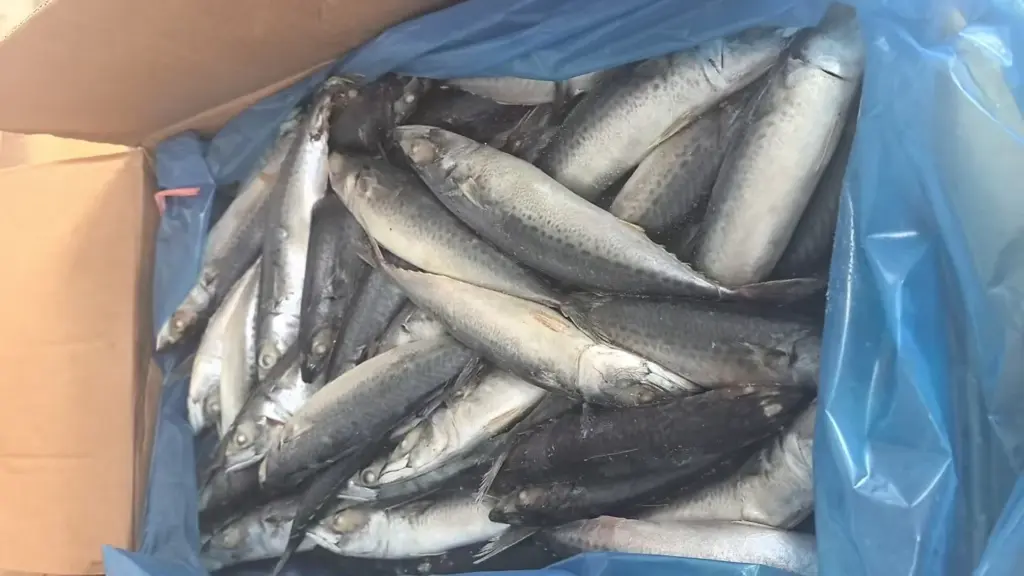
Selecting Mackerel Raw Materials for Canning is not simply a matter of comparing price, fish size, and available volume. For a cannery, the raw fish determines product safety, meat yield, texture, appearance, flavor, line efficiency, and the consistency of every finished can. A low-priced lot can become expensive when it produces excessive thawing loss, soft flesh, broken pieces, dark meat, variable fill weights, high trimming labor, or food-safety risk. Buyers therefore need a specification-based purchasing process that connects fishing and freezing history with the requirements of the intended canned product.
This guide explains the main checkpoints for seafood processors, canned-fish manufacturers, importers, and private-label buyers. It covers species identification, freshness, histamine control, size grading, fat condition, freezing quality, processing format, packaging, documentation, trial production, and supplier evaluation. For a broader overview of available mackerel formats, see .
Table of Contents
- Species and product identity
- Freshness and histamine risk
- Size, shape, and processing yield
- Fat content, season, and sensory profile
- Freezing method and cold-chain history
- Raw-material format and cannery compatibility
- Defects, contaminants, and inspection
- Packaging, labeling, and traceability
- Supplier qualification and trial production
- Commercial terms and purchase specifications
- Conclusion
Define the Finished Canned Product Before Buying Raw Fish
Raw-material selection should begin with the finished product, not with a supplier quotation. A cannery producing whole small fish in sauce requires different dimensions and handling characteristics from a line producing steaks, chunks, flakes, or skinless portions. Can diameter, target drained weight, cutting pattern, pre-cooking method, filling equipment, sauce formulation, and market expectations all affect the ideal fish.
The purchasing team should provide suppliers with a written application description. This should state whether the fish will be packed as whole fish, headed and gutted pieces, cross-cut steaks, fillets, chunks, or flakes. It should also identify acceptable skin condition, bone presentation, meat color, texture, and sensory profile. When these criteria are not defined, suppliers may offer commercially sound mackerel that is unsuitable for the buyer’s equipment or final presentation.
Codex’s Standard for Canned Finfish provides an important reference framework for product identity, essential composition, quality factors, hygiene, labeling, sampling, and examination. Buyers should use the applicable destination-market regulations and customer specifications in addition to Codex requirements.
Verify Species Identity and Legal Product Naming
“Mackerel” is a commercial term used for multiple species, and the species supplied can affect body shape, skin pattern, fat content, flavor, bone structure, cooking behavior, yield, and labeling. A purchase contract should therefore include the accepted common name and scientific name, supported by traceability documents. The buyer should not rely only on carton wording or a generic sales description.
Species verification is especially important when a brand sells into several countries. Legal naming rules and consumer expectations can differ by market. Substitution may cause labeling problems even when the alternative species is edible and commercially traded. Mixed-species lots can also create irregular cooking results and visual inconsistency inside the can.
Ask the supplier to confirm how species identity is controlled at landing, receiving, grading, and packing. Relevant evidence may include catch documentation, receiving records, approved-vessel information, supplier declarations, lot coding, and periodic species-authentication testing where risk justifies it. Product-specific species claims should be verified before publication or contracting rather than copied from informal market terminology.
Control Freshness and Histamine Risk
Why Histamine Control Is Critical
Mackerel is associated with scombrotoxin, or histamine, risk when time and temperature are not properly controlled after death. Histamine can develop before the fish reaches the cannery, and normal cooking or commercial sterilization should not be treated as a corrective step for raw material that has already been abused. For this reason, purchasing controls must examine the supplier’s entire handling chain, not merely the temperature of cartons at delivery.
The U.S. FDA’s Fish and Fishery Products Hazards and Controls Guidance identifies species-related hazards and control strategies relevant to seafood processors. A buyer should translate applicable regulatory requirements into supplier approval criteria, receiving checks, sampling plans, rejection limits, and corrective-action procedures.
Evidence to Request From Suppliers
A qualified supplier should be able to explain how quickly the catch is chilled or frozen, how temperature is monitored, how delays are handled, and how lots are segregated when control is lost. Buyers should review harvest-to-freezing time, receiving temperature criteria, freezing records, cold-store records, container temperature data, histamine testing procedures, sampling rationale, laboratory competence, and corrective actions.
Sensory inspection remains useful but cannot replace a documented histamine-control program. A lot may look acceptable while still requiring analytical verification under the buyer’s risk-based plan. Conversely, testing a small number of samples cannot compensate for weak time-temperature records because histamine may be unevenly distributed. The purchasing specification should therefore combine process control, traceability, sensory assessment, and appropriate testing.
Evaluate Freshness, Odor, Texture, and Appearance
Freshness affects flavor, texture, yield, and the visual quality of canned mackerel. During approval samples and incoming inspection, check that the fish has a clean species-typical odor without sour, rancid, ammonia-like, fuel-like, or other objectionable notes. Flesh should be resilient enough for the intended thawing, cutting, pre-cooking, and filling process. Excessively soft flesh can break during handling and create poor pack presentation or excessive flakes.
Appearance checks may include skin integrity, discoloration, bruising, belly condition, blood staining, dehydration, freezer burn, gaping, physical damage, and evidence of repeated thawing and refreezing. The FAO overview on assessment of fish quality explains the role of sensory and instrumental methods in evaluating fish quality. A cannery should use standardized defect definitions, reference photographs, trained inspectors, and agreed acceptance levels rather than vague terms such as “good quality.”

Match Fish Size and Body Shape to the Production Line
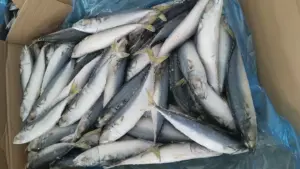
Uniform size is one of the most important commercial factors in canned production. Even when two lots have the same average weight, a wide size distribution can reduce line speed and make portion control difficult. Fish that are too small may increase heading, gutting, and trimming labor relative to usable meat. Fish that are too large may not fit the cutting pattern, can diameter, or target piece count.
The buyer should specify an acceptable grade and tolerance, not merely a nominal range. The specification can include piece count per carton, individual-weight limits, permitted percentage outside grade, body length or girth where relevant, and the agreed weighing condition. It should clearly state whether weights are measured frozen, glazed, deglazed, or after controlled thawing.
A production trial should calculate more than raw-material price per metric ton. Measure thawing loss, dressing yield, cooking loss, usable meat yield, pieces per fish, cans per ton, trimming labor, broken-piece rate, downtime, and finished-product rejection. The economically superior lot is the one that delivers the best compliant finished-can cost, not necessarily the lowest purchase price.
Assess Fat Condition, Seasonality, and Flavor Stability
Mackerel fat condition can influence flavor, mouthfeel, cooking loss, oil release, texture, and oxidation risk. A fattier fish may suit a rich canned style, but it may also require tighter control of raw-material age, oxygen exposure, glazing, packaging, and storage. Leaner fish may give a firmer or drier eating profile depending on species, season, size, and process.
Buyers should avoid setting a fat specification without linking it to the product objective and analytical method. Instead, compare representative seasonal samples through laboratory analysis and pilot canning. Evaluate cooked flavor, rancidity, texture, liquid appearance, oil separation, and shelf-life behavior. When the finished product is packed in oil, brine, tomato sauce, or another medium, the interaction between fish composition and packing medium should be assessed under the actual scheduled process.
Because biological composition varies, suppliers should disclose harvest period and origin for each lot. Long-term procurement may require seasonal approval standards or separate purchasing windows. A supplier’s ability to maintain comparable performance across seasons can be more valuable than offering one attractive trial lot.
Check Freezing Method, Glazing, and Cold-Chain History
The freezing process should preserve the fish quickly and consistently enough for the intended storage period and processing method. Buyers should ask whether the product is individually quick frozen, block frozen, plate frozen, blast frozen, or frozen by another validated method. The key commercial questions are core freezing performance, uniformity, handling before freezing, protection during storage, and compatibility with the cannery’s thawing system.
Glazing and packaging should protect the fish without obscuring net fish weight. The purchase specification must distinguish gross weight, net weight, declared glaze, and deglazed weight. Excessive or inconsistent glaze can distort price comparisons and production planning. A receiving program may include deglazing checks using an agreed method and sampling plan.
Inspect cartons for dehydration, frost accumulation, ice crystals, crushed packaging, water staining, and evidence of temperature cycling. Request cold-store and shipment records when appropriate. Frozen condition at arrival does not prove that the fish remained under control throughout its history.
Select the Correct Raw-Material Format
Whole round fish can offer flexibility, but it transfers heading, gutting, waste handling, and yield variability to the cannery. Headed-and-gutted or other pre-processed formats may improve line efficiency, yet they require confidence in trimming accuracy, sanitation, net weight, and by-product removal. The preferred format depends on labor cost, equipment, environmental controls, by-product value, freight economics, and target presentation.
Specifications should define the processing state precisely. Terms such as whole round, headed and gutted, head-off, tail-off, or fillet can be interpreted differently between suppliers. Include photographs, cut diagrams, acceptable remaining organs, belly-cut requirements, collar treatment, tail length, fin removal, and defect tolerances. The contract should also clarify whether any additives, protective treatments, or processing aids are used.
Before changing format, run a full cost comparison that includes freight, storage density, thawing time, wastewater load, labor, usable yield, and line throughput. A higher-priced pre-processed raw material may reduce total manufacturing cost when it removes waste and stabilizes output.
Inspect Defects, Foreign Material, and Contaminant Controls
The raw-material standard should define major, minor, and critical defects. Typical inspection categories may include decomposition, contamination, foreign material, damaged fish, parasites relevant to the product and process, excessive blood, gut contamination, broken bellies, freezer burn, and abnormal odor or color. The applicable list must be tailored to the species, origin, processing format, destination market, and final product.
Buyers should review the supplier’s HACCP or equivalent food-safety plan, sanitation controls, water and ice controls, pest management, chemical controls, metal detection or other foreign-material systems where applicable, and laboratory program. Regulatory limits for contaminants and residues differ by market, so contracts should reference the actual destination requirements rather than using a generic statement such as “international standard.”
Certificates of analysis can support verification, but they should not be accepted without checking lot identity, sampling date, method, laboratory, units, and specification limits. A robust program combines supplier controls, independent verification, risk-based testing, and audit evidence.
Require Packaging, Labeling, and Traceability Details
Export packaging must protect frozen fish during storage, handling, and container transport. Specify inner liner requirements, carton strength, sealing method, declared net weight, permitted weight tolerance, production date, freezing date where required, lot code, species, size grade, origin, storage instruction, and processing format. Labels should match commercial documents and import requirements.
Traceability should allow the buyer to connect each delivered pallet or carton to production, raw-material receipt, harvest or vessel information where applicable, quality checks, and shipment records. Lot codes must be readable and durable after cold storage. Mixed or reworked lots should be disclosed and controlled.
The buyer should also define pallet configuration, carton dimensions, pallet material, container loading pattern, and documentation requirements. Packaging density affects freight economics, but over-compression can damage fish or cartons. Confirm loading performance during the approval shipment rather than relying only on theoretical carton counts.
Qualify the Supplier, Not Just the Sample
A high-quality sample does not guarantee repeatable commercial supply. Supplier qualification should evaluate facility approval status, food-safety certification where required, regulatory history, capacity, raw-material access, seasonal sourcing plan, cold-storage capability, laboratory controls, traceability, complaint handling, recall readiness, and change-notification procedures.
Conduct a document review and, where risk and volume justify it, an on-site or remote audit. Confirm that the supplier’s written controls match actual operations. Review several historical lots rather than one specially prepared sample. Ask how the supplier manages vessel changes, raw-material shortages, size shortages, power failures, delayed freezing, rejected lots, and subcontracted processing.
A supply agreement should require notification before changing species, fishing origin, processing facility, freezing method, packaging, specification, or testing program. This prevents an approved product from gradually becoming a different product without formal review.
How to Approve Mackerel Raw Materials for Canning Through Trial Production
Before approving a major order, conduct a representative industrial trial. Pilot quantities may not reveal problems that appear at full line speed, so the trial should be large enough to test thawing, preparation, cutting, pre-cooking, filling, seaming conditions, retort loading, and finished-can evaluation. Retain samples and record the lot details.
The final purchase specification should include:
- Accepted common and scientific name
- Intended canned-product application
- Processing format and cut definition
- Size grade and tolerance
- Net weight and glaze method
- Sensory and physical defect limits
- Histamine and other applicable safety criteria
- Freezing, storage, and shipment requirements
- Packaging and labeling instructions
- Traceability and document requirements
- Sampling, inspection, acceptance, and rejection procedures
- Claim handling and corrective-action expectations
- Change-notification requirements
Commercial terms should address quantity tolerance, Incoterms, shipment window, inspection point, document timing, payment conditions, claims period, and responsibility for nonconforming cargo. Quality terms should remain measurable and separate from broad sales language.
Conclusion
Successful canned mackerel production begins with controlled, application-specific Mackerel Raw Materials for Canning. Buyers should verify species, freshness, histamine controls, size uniformity, fat condition, freezing history, format, defects, packaging, traceability, and supplier capability before comparing the true cost of competing lots. The best sourcing decision is based on finished-can yield, safety, consistency, and processing performance—not price per ton alone.
Hanxing Seafood works with professional seafood buyers to align frozen mackerel selection with processing requirements and target markets. Share your desired species, size, processing format, packaging, destination, and canned-product application to discuss a suitable raw-material specification and trial order.
Looking for a Frozen Seafood Supplier?
Contact HANXING SEAFOOD to confirm current availability, specifications, packing, and quotation details.
Request a Quote