
Global Small Pelagic Fish Market: Mackerel, Herring and Sardine Compared
Introduction
Understanding small pelagic fish market has become a priority issue for seafood importers, wholesalers, processors, and foodservice distributors because supply decisions made in one fishing region can quickly change prices and availability in distant markets. Mackerel, herring, and sardine belong to the same broad commercial category, but differences in biology, size, fat, processing performance, consumer identity, and regional supply create very different buying decisions. Buyers reviewing the frozen mackerel buying guide should therefore connect product specifications with quota conditions, regional demand, exchange rates, and cold-chain costs rather than treating the quoted price as an isolated number.
small pelagic fish market: Current Market Context
The FAO GLOBEFISH small pelagics market analysis tracks quota, price, and trade changes across the category, while the FAO 2026 trade of aquatic products review shows the scale and global reach of aquatic-product trade. The FAO State of World Fisheries and Aquaculture provides the wider context: aquatic foods are important for nutrition, food security, employment, and international commerce.
Small pelagics are attractive because they can be frozen efficiently, shipped in bulk, sold whole or processed, and positioned at multiple price points. However, category-level data can hide sharp differences between fisheries and end markets. The broader 2026 global frozen seafood market overview is useful for comparing mackerel with other frozen seafood categories, but purchase decisions still need species-level analysis because Atlantic mackerel, Pacific mackerel, horse mackerel, herring, and sardine do not move in perfect alignment.
Mackerel: Higher Value and Broad Culinary Use
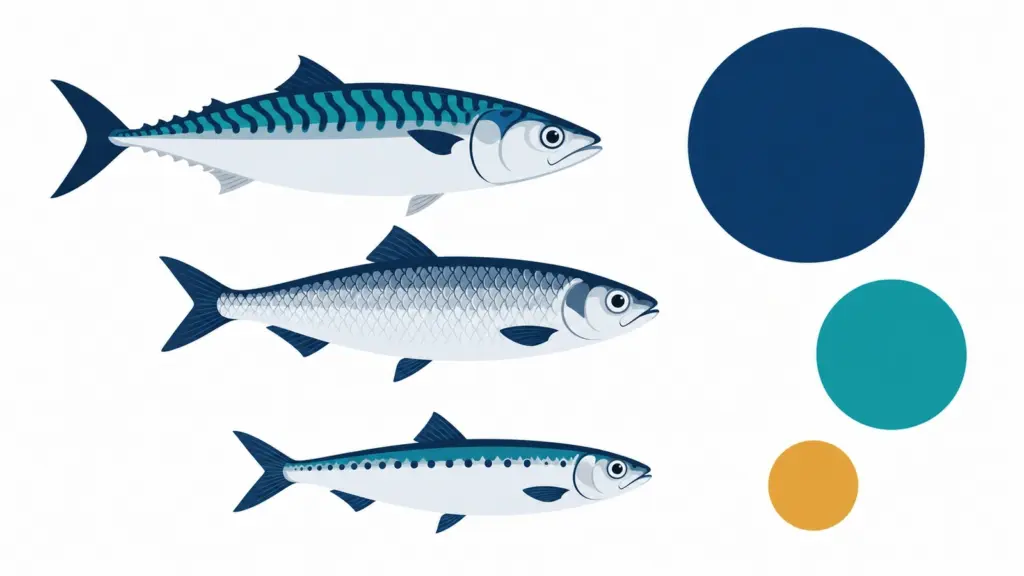
Mackerel combines recognizable flavor, relatively high oil content, and suitability for grilling, salting, smoking, canning, filleting, and whole-fish sales. Atlantic mackerel often attracts a premium, while Pacific mackerel serves broader value and processing channels.
Importers should define the species and origin rather than buying under a generic mackerel label. Size, fat content, season, freezing method, and skin condition materially affect customer acceptance and yield.
Herring: Processing Strength and Substitution Potential
Herring is a major North Atlantic resource used in marinated, salted, smoked, canned, roe, and meal products. It can substitute for mackerel in selected applications, especially when mackerel prices are high, but its body structure and flavor remain distinct.
Herring purchasing requires attention to size, fat level, catch season, belly quality, and intended process. Whole-fish buyers should confirm whether local consumers recognize the species, while processors should test yield and texture after thawing.
Sardine: Affordable Whole-Fish and Canning Demand
Sardines include several species and origins and are central to affordable household consumption, traditional markets, and canning. Their smaller size can support low retail unit prices, but oxidation and physical damage can reduce quality if handling is poor.
Buyers should verify scientific or accepted commercial species names, size count, belly condition, glazing, block formation, and carton strength. A small price difference can be offset by broken fish, dehydration, or inconsistent counts.
Different Supply and Price Cycles
The three markets are connected through substitution, but their catches are managed in different fisheries and regions. A mackerel quota cut does not automatically reduce sardine supply, while a strong sardine season does not guarantee suitability for a mackerel customer.
Importers should track each species separately and then compare cross-price relationships. This method identifies when substitution is commercially attractive without assuming that all small pelagics move together.
Channel Fit Determines the Best Species
Premium retail, foodservice, industrial processing, canning, and traditional wholesale channels value different attributes. Mackerel may deliver higher consumer value, herring may perform well in processing, and sardine may offer the most accessible portion cost.
A portfolio that uses several species can reduce dependence on one fishery. The portfolio should be built around customer applications and margin targets, with clear labeling and sales education to avoid consumer confusion.
Procurement Priorities for Importers
For buyers assessing small pelagic fish market, commercial discipline is as important as market intelligence.
Importers should convert market analysis into a written procurement plan. The most important actions for this topic are to compare species by channel and yield; confirm exact species and origin; track separate fishery cycles; test substitution before scaling; build a multi-species small-pelagic portfolio. These controls reduce the risk of comparing offers that use different species, size bands, glazing levels, processing forms, currencies, shipment windows, or documentary assumptions. A lower headline price can become more expensive after yield loss, repacking, storage, financing, or delayed delivery is included.
Product substitution should also be tested against the final sales channel. Buyers can compare the available frozen seafood product range and request samples or loading references before changing a specification. Retail buyers may prioritize appearance and uniform sizing, processors may focus on yield and fat content, while traditional wholesale markets may accept broader tolerances when the landed cost is competitive. The correct specification is therefore the one that protects the buyer’s margin and customer acceptance, not simply the product with the lowest FOB value.
Market Outlook and Risk Indicators
Market expectations around small pelagic fish market should be tested against current evidence rather than assumed from one quotation.
Tight Atlantic mackerel supply is likely to keep cross-species substitution active. Herring and sardine may gain share in selected markets, although stronger demand can also raise their prices. Importers should expect greater differentiation by quality and application rather than one unified small-pelagic price trend. The practical approach is to monitor scientific advice, final national quotas, auction prices, export volumes, currency movements, and freight quotations as separate indicators. A change in only one indicator may be temporary, while several indicators moving in the same direction usually signal a more durable market shift.
Buyers should maintain at least a base case, a tight-supply case, and a substitution case. The base case assumes ordinary seasonal demand and workable freight capacity; the tight-supply case assumes lower raw-material availability or stronger competition; and the substitution case identifies alternative species and sizes that can protect volume. This scenario discipline is more reliable than depending on a single price forecast.
Conclusion
Mackerel, herring, and sardine are complements as much as competitors. A buyer that understands their distinct qualities can use them to serve premium, processing, and value segments while reducing exposure to a single quota or origin. This analysis of small pelagic fish market should be reviewed as part of a complete landed-cost and supply-risk assessment. Importers that confirm species, specification, packing, loading window, documents, and contingency options before signing a contract are better positioned to protect margins during volatile periods.
Hanxing Seafood supports international buyers with product selection, packing discussions, export documentation coordination, and shipment planning. To discuss current availability or request a market-specific quotation, contact the Hanxing Seafood sales team.
Looking for a Frozen Seafood Supplier?
Contact HANXING SEAFOOD to confirm current availability, specifications, packing, and quotation details.
Request a Quote