
Frozen Seafood Buying Guide for Importers
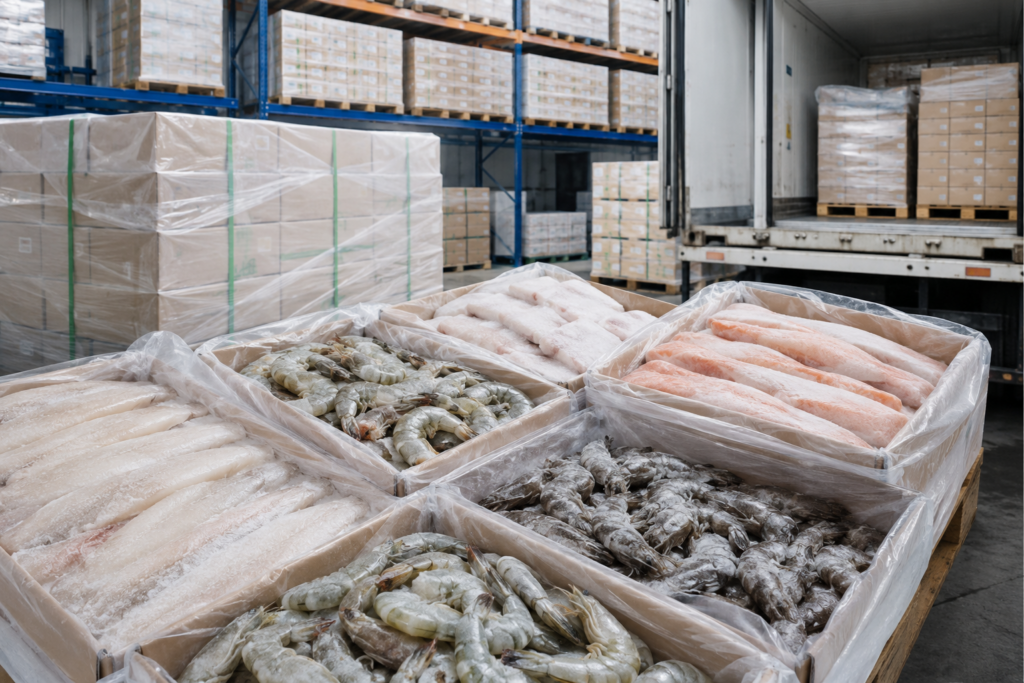
Frozen Seafood Buying Guide for Importers
Importers and wholesale buyers are under pressure to secure reliable supply while keeping quality, documentation, and landed cost under control. frozen seafood buying guide for importers is not only a search term; it is a practical sourcing topic for companies that buy frozen fish, shrimp, squid, or mixed seafood containers for distribution, retail, foodservice, or further processing. For buyers serving Asia, Africa, and the Middle East, the commercial question is usually simple: can the supplier deliver consistent product, correct documents, suitable packaging, and stable cold-chain performance at a price the market can absorb?
This guide explains how professional seafood buyers should evaluate supply options, what to check before confirming an order, and how to reduce common import risks. It is written for importers, wholesalers, distributors, food companies, and frozen food procurement teams that need a clear B2B view rather than a consumer-level overview. Global fisheries and aquaculture information from FAO remains useful when assessing supply conditions and market fundamentals. 【 FAO fisheries and aquaculture data】
Why frozen seafood buying guide for importers Matters for B2B Seafood Buyers
A seafood purchase decision is rarely based on product name alone. Buyers must compare species, size, origin, processing form, freezing method, glazing, packing, lead time, documents, and final use. A supermarket buyer may care about retail appearance and carton label consistency. A foodservice distributor may care more about portion control, thawing yield, and delivery reliability. A wholesaler may focus on carton strength, container loading efficiency, and price stability.
For Asia, Africa, and the Middle East, demand is often shaped by population growth, price sensitivity, foodservice demand, and the need for dependable imported protein. Frozen seafood works well in these channels because it can move through reefer containers, cold stores, and regional distribution networks without the short shelf-life pressure of fresh seafood. That does not mean every frozen product is equal. The best-performing buyers usually develop a purchasing checklist and apply it before each shipment.
Product Specification and Quality Control
A complete specification should include commercial name, scientific name where required, product form, size grade, net weight, gross weight, glazing percentage, freezing method, packing style, label requirements, and destination-market documents. If the supplier receives only a short inquiry such as “send frozen fish price,” the quotation will often be inaccurate. A detailed inquiry saves time and prevents disputes.
Quality control should start before production or packing. Buyers should ask for recent product photos, size details, packaging photos, and sample documents. For repeated shipments, a simple specification sheet can define acceptable appearance, broken rate, odor, temperature, carton condition, and weight tolerance. For higher-value products, buyers may request a pre-shipment inspection or third-party check. This is especially important when purchasing frozen fish, shrimp, squid, and mixed seafood containers, because small differences in size grade, treatment, or packing can change the landed value significantly.
The most common problems are not always dramatic. They include weak cartons, inconsistent size, excessive glaze, unclear labels, delayed documents, and poor loading photos. These issues can still create claims or reduce resale confidence. A professional supplier should be able to explain how it controls product selection, packing, storage, and loading.
Packaging, Labeling, and Container Planning
Packaging is a commercial tool, not only a protective layer. Good export packaging protects the product during freezing, storage, inland transport, port handling, ocean freight, and destination distribution. Buyers should confirm whether the shipment needs plain export cartons, private-label cartons, master cartons, inner bags, vacuum packs, or bulk packing. Carton strength matters because containers are stacked and moved several times before reaching the buyer’s warehouse.
Labeling also needs market-specific attention. Product name, net weight, origin, storage instruction, production date, expiry date, batch number, importer details, and language requirements may be needed depending on the destination. Singapore’s food import rules, for example, show why importers should confirm local requirements before shipment. 【 SFA food import requirements】
For container planning, buyers should discuss palletized versus non-palletized loading, carton dimensions, target payload, destination port, shipping schedule, and temperature setting. A few centimeters in carton size can affect container utilization. A delay in loading photos or seal information can also make clearance and logistics coordination harder.
Cold Chain and Transport Risk
Frozen seafood quality depends on temperature control. The product may leave the processing facility in good condition, but quality can deteriorate if the cold chain is weak. Buyers should confirm cold storage conditions, reefer container setting, loading time, seal number, shipping route, transit time, and destination clearance plan. In hot markets and long-distance routes, unloading and port dwell time are also important.
A strong supplier should provide loading photos, container number, seal number, temperature setting, and final packing list. For sensitive shipments, temperature recorders may be useful. Buyers should also coordinate with their freight forwarder or customs broker before the vessel arrives, especially when health certificates or permits must be checked before release.
Documentation and Compliance
Seafood trade is document-sensitive. Common documents include commercial invoice, packing list, bill of lading, health certificate, certificate of origin, and additional declarations required by the destination market. Some wild-caught seafood may need catch-related documents. Some markets may require halal, laboratory reports, or additional food safety statements.
The important point is consistency. Product name, weights, carton quantity, container number, and consignee information should match across documents. Errors may lead to clearance delays, extra storage cost, or even cargo rejection. Buyers should request draft documents early and compare them with local customs requirements.
Supplier Selection and Long-Term Value
A reliable supplier is not just the company with the lowest quotation. Buyers should look at export experience, product range, communication speed, document accuracy, packaging capability, cold-chain understanding, and willingness to support long-term supply. For many importers, the hidden cost of a weak supplier is higher than a small price difference.
Long-term cooperation can help buyers secure better supply during peak seasons, develop private-label packing, improve specifications, and reduce repeated negotiation time. It can also help the supplier understand the buyer’s market and recommend suitable product alternatives when supply or price changes.
FAQ
How should buyers start with frozen seafood buying guide for importers?
Start with a clear product specification, target market, required documents, packing style, and estimated order quantity. A detailed inquiry helps the supplier quote accurately.
What documents are usually needed?
Most shipments require invoice, packing list, bill of lading, health certificate, and certificate of origin. The exact requirement depends on the destination market and product type.
How can buyers reduce quality risk?
Use clear specifications, request updated product photos, confirm packaging and glazing, arrange inspection when needed, and verify cold-chain arrangements before loading.
Is the lowest price always the best choice?
No. The best choice is usually a balance of price, quality consistency, document accuracy, shipment reliability, and supplier communication.
Conclusion: Using frozen seafood buying guide for importers as a Practical Sourcing Framework
frozen seafood buying guide for importers should be treated as a complete sourcing framework rather than a simple product search. Buyers who define specifications clearly, verify packaging, confirm documents, and manage cold-chain risk are more likely to build stable seafood import operations. For B2B buyers in Asia, Africa, and the Middle East, the strongest results come from working with suppliers that understand product quality, export execution, and the realities of international seafood trade.
Looking for a Reliable Frozen Seafood Supplier?
Contact Hanxing Seafood for competitive pricing and consistent quality across our full product range.
Request a Quote